Follow Me On Social Media!

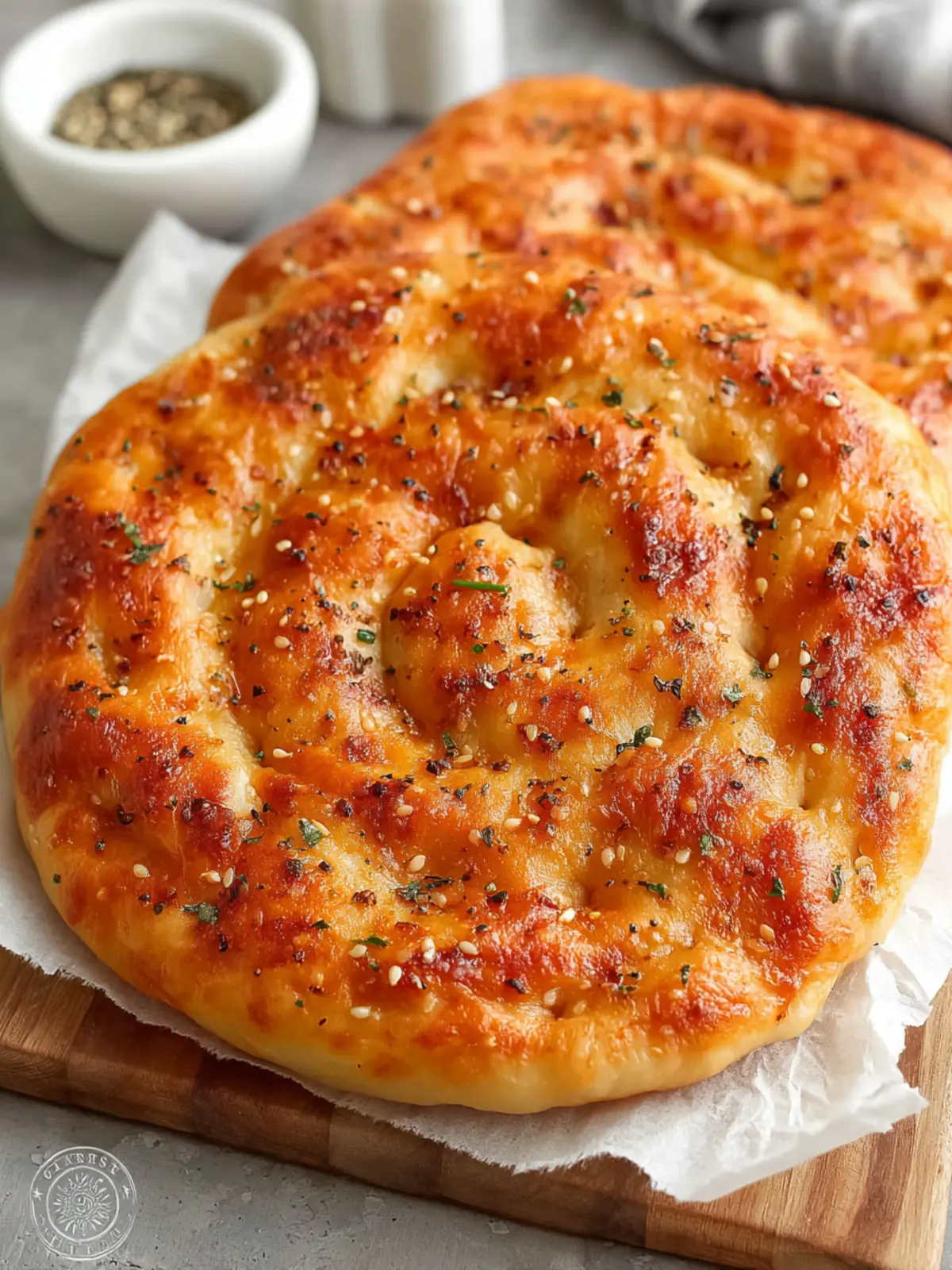
Turkish Ramadan Bread: The Best Homemade Comfort Recipe

Introduction to Turkish Ramadan Bread (Ramazan Pidesi)
Turkish Ramadan Bread—or Ramazan Pidesi—is a delightful creation that fills the air with warmth and fragrance during the holy month of Ramadan. Imagine the enticing aroma of freshly baked bread wafting through the streets of Istanbul as families gather to break their fast. This special bread isn’t just about sustenance; it embodies community, tradition, and a shared spirit of gratitude. Each loaf is a beautiful representation of culinary craftsmanship that has been passed down through generations, often enjoyed alongside favorite dishes like lentil soup or classics such as kebabs.
As you savor your first bite of Ramazan Pidesi, you’ll discover a unique playful texture: a crispy crust encasing a soft and chewy interior. Its gorgeous, airy pockets are often adorned with simple, beautiful patterns that make each loaf a feast for the eyes as well as the palate. What’s more, it has a cultural significance that stretches beyond the table. It’s frequently shared among neighbors, symbolizing unity and generosity during a time when families come together to reflect on their blessings.
What makes Turkish Ramadan Bread so special?
There’s something particularly enchanting about Turkish Ramadan Bread. Unlike ordinary bread, this iconic creation holds a revered place at the iftar table, the meal that breaks the daily fast during Ramadan. It is traditionally leavened with yeast, giving it that wonderfully fluffy texture, and often sprinkled with sesame seeds or decorated with flourishes that pay homage to its heritage.
During Ramadan, bakers work long hours to ensure that each loaf is crafted with care, often selling it in markets or offering it through community bakeries. Many families have their favorite bakers, and the ritual of buying bread can become an integral part of the Ramadan experience.
Turkish Ramadan Bread is a delightful union of simplicity and tradition, making it more than just a dish; it’s a heartfelt celebration of food, fellowship, and faith. Whether you’re enjoying it in Turkey or trying your hand at a homemade version, this bread is sure to elevate your dining experience during this cherished month.
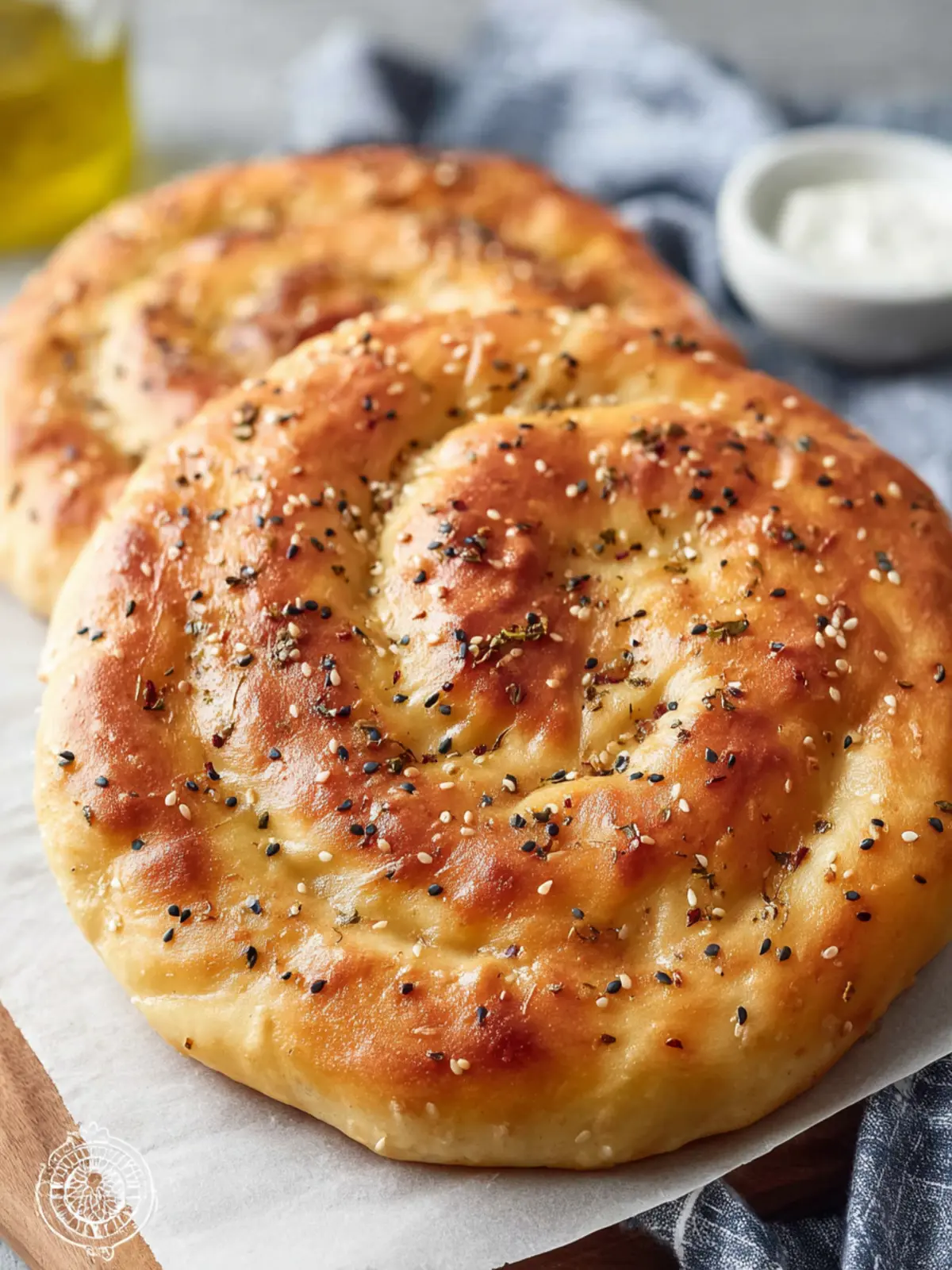
Key Ingredients for Turkish Ramadan Bread
Creating Turkish Ramadan Bread, or Ramazan Pidesi, is a delightful culinary journey steeped in tradition. Each ingredient plays a crucial role, not only in flavor but also in bringing a piece of Turkish culture into your home.
-
Flour: The foundation of any great bread, I use high-quality all-purpose flour that gives the dough its structure and elasticity. For those seeking a gluten-free option, a gluten-free flour blend can work, but keep an eye on the texture.
-
Yeast: Fresh yeast brings life to the dough, ensuring it rises beautifully. If fresh yeast isn’t available, instant yeast can be used as a reliable alternative.
-
Water: Warm water is essential for activating the yeast, helping to create a soft, pliable dough. It’s vital not to make the water too hot, as this could kill the yeast.
-
Salt: A crucial ingredient for flavor, salt also strengthens the dough’s structure, allowing it to rise properly. I recommend kosher salt for a natural taste.
-
Sugar: Just a touch of sugar not only balances the dough but also aids in browning the crust and enhancing flavor.
-
Oil: I love using olive oil for a subtle richness. It adds moisture and a hint of flavor that’s perfect when drizzled on top before baking.
-
Sesame Seeds: These are traditionally sprinkled on top, adding a delightful crunch and enhancing the overall flavor profile.
With these ingredients in harmony, your Turkish Ramadan Bread will not just be a dish; it will be an experience to share with loved ones during this special month.
Why You’ll Love This Turkish Ramadan Bread
If you’ve ever had a moment where the aroma of freshly baked Turkish Ramadan Bread (Ramazan Pidesi) wafted through a family gathering or a festive Iftar, you know it’s more than just a meal; it’s a cherished experience. This traditional bread pairs beautifully with soups, stews, and even your favorite dips, but the magic truly happens when you enjoy it warm right out of the oven.
A Unique Flavor Profile
The first thing that captures your attention is the texture—a perfect balance of crusty on the outside and soft on the inside. The sesame seeds sprinkled on top not only add a delightful crunch but also a nutty flavor that elevates the eating experience.
Perfect for Sharing
During Ramadan, breaking bread together is a significant ritual. Imagine gathering with friends and family around the table, eagerly tearing off pieces of this Turkish Ramadan Bread to share. It’s a symbol of togetherness and community spirit, the perfect companion to your Iftar spread.
Easy to Prepare
Even if you’re a novice in the kitchen, you’ll find this recipe straightforward and rewarding. With just a few simple ingredients and a little patience, you’ll create something that feels special. The pride of baking your own traditional bread adds an extra layer of enjoyment to your Ramadan observances.
When you take that first warm bite of Turkish Ramadan Bread, you’ll understand why it holds such a special place in the hearts—and stomachs—of many.
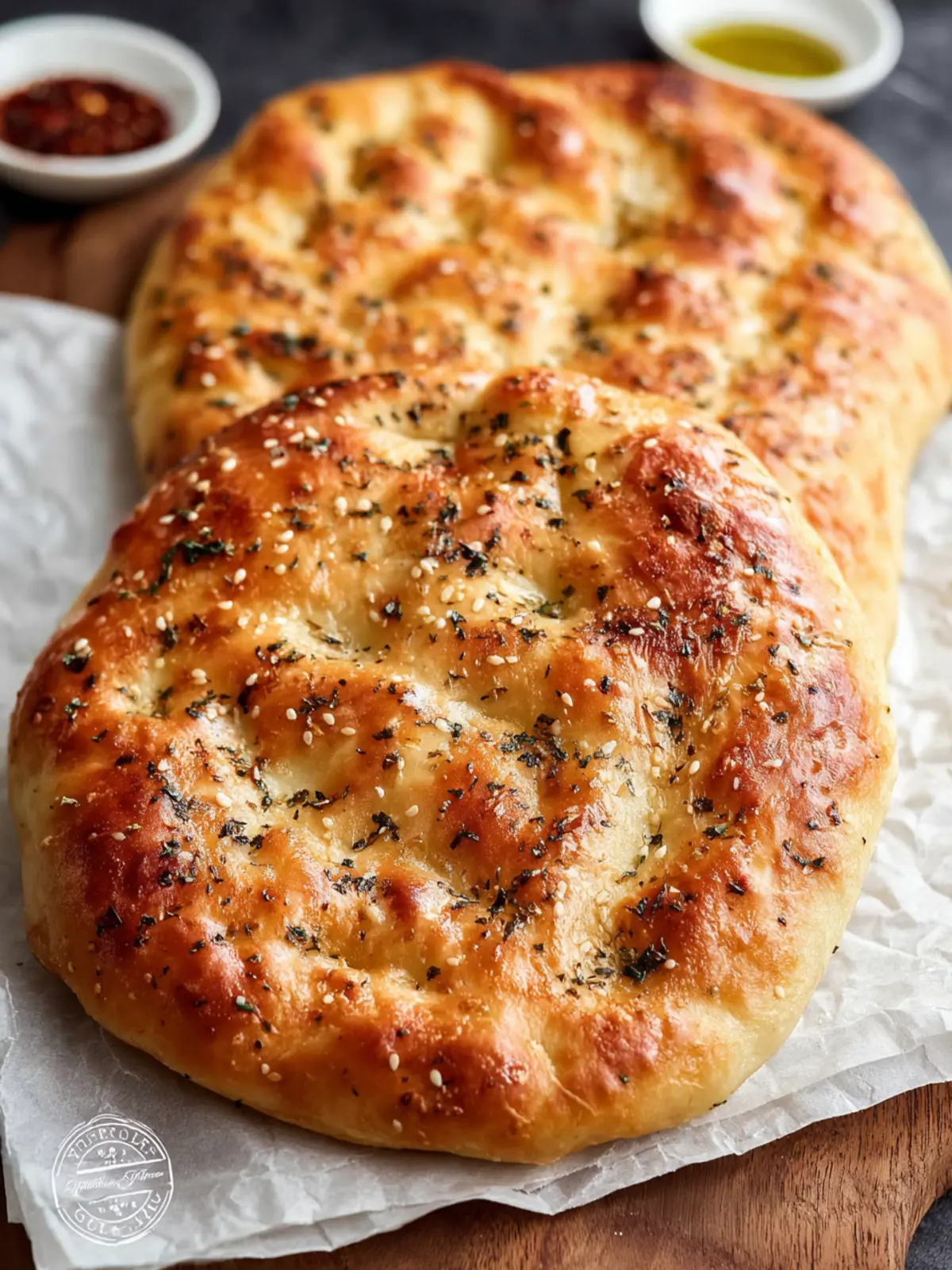
Tips for Making Perfect Turkish Ramadan Bread
Creating Turkish Ramadan Bread, or Ramazan Pidesi, can be a rewarding experience that fills your home with the warm aroma of freshly baked bread. A few thoughtful tips can elevate your baking game and ensure that every batch is a delight.
Mastering the Dough
-
Use Fresh Yeast: The quality of yeast is crucial for that perfect rise. Fresh yeast can actively promote the dough’s fermentation, leading to a lighter, fluffier bread.
-
Temperature Matters: When mixing your ingredients, ensure that your water is slightly warm, around 110°F (43°C). This helps activate the yeast effectively.
Shaping and Slicing
-
Don’t Overwork It: Gently knead the dough until it’s smooth. Over-kneading can result in a dense texture, while just enough kneading creates that desired airy structure.
-
Proper Scoring: Use a sharp knife to create deep cuts on your dough before baking. This not only allows the bread to expand but also gives it that classic Ramazan Pidesi appearance!
Baking Techniques
-
Preheat Your Oven: A hot oven (around 475°F or 245°C) is key to getting that nice crust. Investing in a baking stone can help distribute heat evenly.
-
Steam the Oven: Adding a pan of water to the bottom of your oven can introduce steam, enhancing the crust and creating a beautiful golden brown finish.
By keeping these tips in mind, you’ll be well on your way to mastering Turkish Ramadan Bread that will impress your friends and family!
Time Details for Turkish Ramadan Bread
Preparing Turkish Ramadan Bread is not just about the ingredients; it’s also about timing the different stages perfectly. Each phase contributes to the bread’s soft, flavorful texture, making it an essential part of Ramadan breaks and family gatherings.
Preparation time
The hands-on preparation for Turkish Ramadan Bread typically takes about 20-30 minutes. This includes mixing the ingredients and shaping the dough.
Rising time
After mixing, your dough will need some love! Allow it to rise for about 1 hour, or until it doubles in size. This step is crucial for achieving that light texture we all crave.
Baking time
Once risen, baking the bread takes around 15-20 minutes. Keep an eye on it—the golden crust is your cue it’s ready!
Total time
In total, you’ll spend about 1 hour and 50 minutes to 2 hours crafting this delightful bread, but it’s well worth each minute. Enjoy the process and the delicious aroma that will fill your kitchen!

Nutritional Information for Turkish Ramadan Bread
Understanding the nutritional information for Turkish Ramadan Bread can enhance your enjoyment of this delightful specialty during the holy month. Each ingredient contributes not just flavor but also vital nutrients.
Calories
A typical serving of Turkish Ramadan Bread contains about 200 calories. This makes it a wholesome addition to your iftar meal, providing energy after a day of fasting.
Protein
In every serving, you can expect approximately 6 grams of protein. This nutrient helps in muscle repair and makes you feel full longer, which is especially handy during the long evenings of Ramadan.
Sodium
With around 300 mg of sodium per serving, Turkish Ramadan Bread is a balanced option. It’s important to monitor your sodium intake, but in moderation, this bread contributes to hydration as part of your meal.
FAQs about Turkish Ramadan Bread
Turkish Ramadan Bread, or Ramazan Pidesi, is a special treat enjoyed during the holy month of Ramadan, often bringing families together for iftar meals. As you prepare to dive into this delightful experience, you might have a few questions. Here’s a friendly guide to help you along the way!
How can I achieve the perfect texture in my bread?
To create the ideal texture in your Turkish Ramadan Bread, focus on these key elements:
- Kneading: Ensure you knead the dough well. This develops the gluten, resulting in a beautiful, airy loaf.
- Proofing: Allow the dough to rise adequately. A good proofing time ensures your bread has that soft, chewy texture.
- Steam: Placing a pan of water in the oven while baking helps create steam, which keeps the crust from drying out too quickly.
Can I make this bread in advance?
Absolutely! You can prepare your Turkish Ramadan Bread in advance. After shaping the dough, consider freezing it before the final rise. When you’re ready to bake, let it thaw and rise at room temperature for a few hours. Then proceed with baking. This way, you can enjoy fresh bread with minimal last-minute effort!
What are some creative ways to serve Turkish Ramadan Bread?
The versatility of Ramazan Pidesi is truly remarkable! Here are some creative serving ideas:
- With Dips: Serve it warm alongside hummus, tzatziki, or baba ghanoush for a delightful appetizer.
- Sandwich Base: Use it as a base for sandwiches, filling it with grilled vegetables, meats, or a refreshing salad.
- Bread Bowl: Hollow out a small portion and fill it with soup or stew, making for a hearty, unique serving option.
These ideas will not only elevate your meals but also enhance the communal spirit of Ramadan celebrations!
Conclusion on Turkish Ramadan Bread
Creating Turkish Ramadan Bread isn’t just about baking; it’s about embracing tradition and community. This soft, crusty bread symbolizes togetherness, especially during the holy month. Whether you’re enjoying it fresh out of the oven or using it to accompany your iftar meal, the rich flavors and beautiful texture will certainly leave a lasting impression. Don’t forget to share your creations with friends and family—there’s something truly special about breaking bread together. As you try your hand at this recipe, you might find that the experience brings a warmth and joy to your kitchen that transcends the meal itself. Happy baking!
Print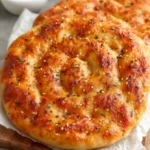
Homemade Pide Bread
- Total Time: 1 hour 35 minutes
- Yield: 2 loaves 1x
- Diet: Vegetarian
Description
This homemade pide bread is soft, slightly sticky, and full of flavor, perfect for any meal.
Ingredients
Scale
- 3 cups all-purpose flour
- 1 ½ teaspoons salt
- 1 tablespoon granulated sugar
- 1 teaspoon instant yeast
- 1 cup warm milk
- ¼ cup extra virgin olive oil (or melted butter/ghee or vegetable oil)
- 1 egg yolk
- 1 tablespoon milk (or heavy cream or yogurt)
- 1 teaspoon toasted sesame seeds
- 1 teaspoon nigella seeds
Instructions
- In a large bowl, combine the flour, salt, sugar, and instant yeast. Add the warm milk and olive oil to the dry ingredients.
- Knead the mixture until a soft, slightly sticky dough forms, about 8-10 minutes by hand or 5 minutes with a stand mixer.
- Cover the bowl with a damp cloth or plastic wrap and let the dough rise in a warm place for about 1 hour, or until doubled in size.
- Punch down the risen dough and divide it into two equal portions. Shape each portion into a 6 or 7 inch round loaf.
- Place the shaped loaves on a parchment-lined baking tray. Cover them loosely with plastic wrap or a damp cloth and let them rest for 15–20 minutes.
- Preheat your oven to 200°C (400°F) or 180°C for a fan oven.
- In a small bowl, mix the egg yolk with the milk to create an egg wash.
- Use your fingers to press dimples into the surface of each loaf to create a pattern. Brush the loaves generously with the egg wash.
- Sprinkle the tops with toasted sesame and nigella seeds. Transfer the tray to the oven and bake for 18-20 minutes, or until the pides are golden brown and cooked through.
- Remove the baked pides from the oven and let them cool slightly on a wire rack before serving.
Notes
- Make sure the milk is warm to help activate the yeast.
- The dough can be made in advance and refrigerated.
- These pides can be served with meals or as a snack on their own.
- Prep Time: 15 minutes
- Cook Time: 20 minutes
- Category: Breads
- Method: Baking
- Cuisine: Turkish
Nutrition
- Serving Size: 1 loaf
- Calories: 200
- Sugar: 1g
- Sodium: 300mg
- Fat: 8g
- Saturated Fat: 1g
- Unsaturated Fat: 6g
- Trans Fat: 0g
- Carbohydrates: 30g
- Fiber: 2g
- Protein: 6g
- Cholesterol: 30mg