Follow Me On Social Media!

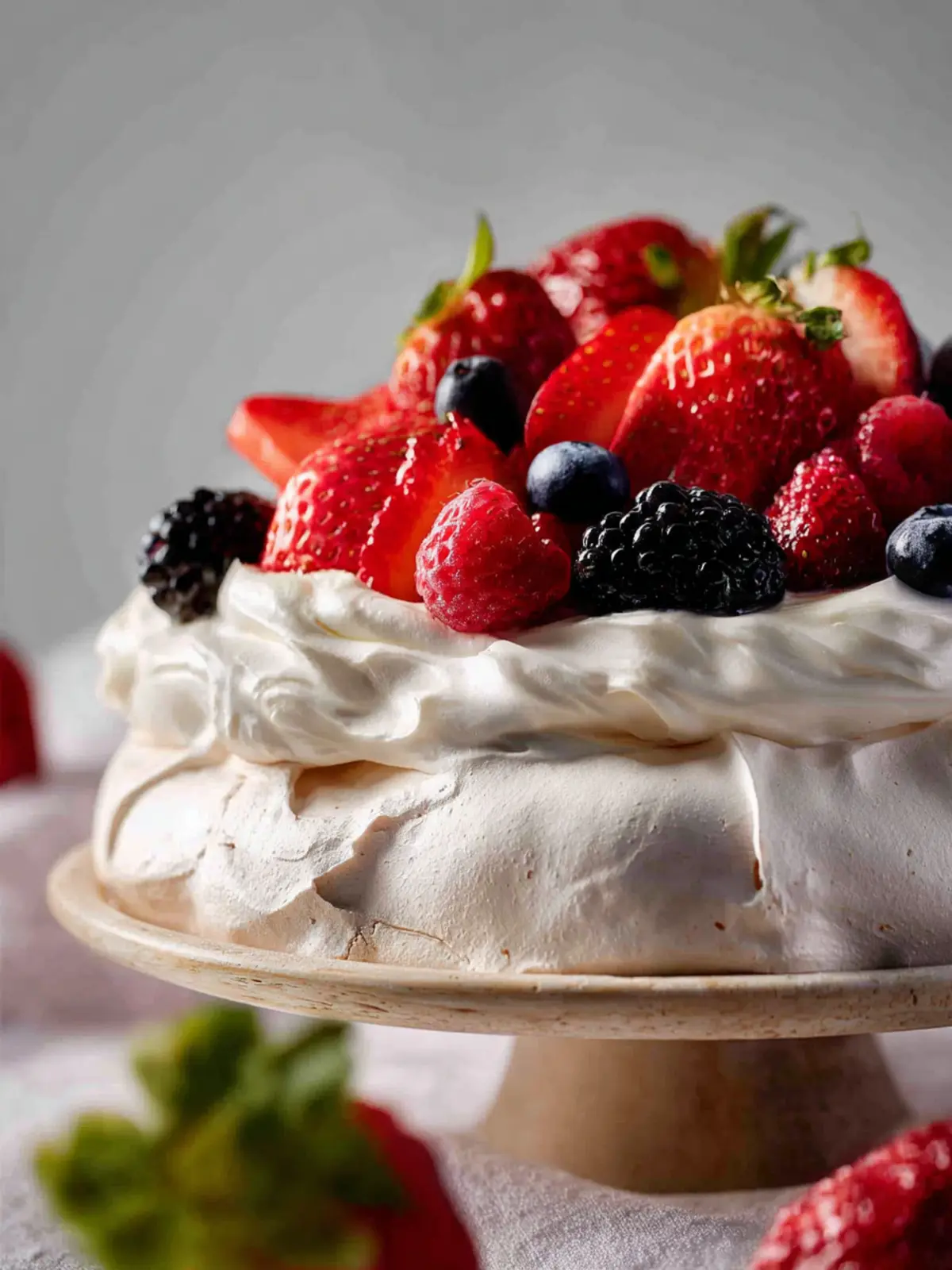
Pavlova Perfection: Irresistibly Light and Fruity Treats

Introduction to Pavlova
The Pavlova is a delightful dessert that embodies lightness and elegance, making it an irresistible choice for any occasion. Originating from New Zealand and Australia, this meringue-based treat is named after the famous Russian ballerina Anna Pavlova, reflecting its airy and delicate characteristics. The first time I tried a Pavlova at a friend’s dinner party, I was captivated by the way the crisp, outer shell gave way to a soft, pillowy interior. Topped with fresh fruits and a dollop of cream, it was like a canvas for flavor and creativity, making each slice a unique experience.
As you embark on making your own Pavlova, consider the balance of textures and flavors. The crisp crust is the result of whipped egg whites combined with sugar, creating a sweet meringue that provides a satisfying crunch. It’s the toppings, however, that truly elevate this dessert. You can use an array of fresh fruits, from vibrant berries to tangy kiwi, each bringing a refreshing burst of flavor that complements the sweet base beautifully.
What makes Pavlova so irresistible?
Several factors contribute to the allure of Pavlova:
- Textural Contrast: The meringue offers a satisfying crunch on the outside while remaining soft and marshmallow-like inside. This delightful textural interplay is what sets Pavlova apart from other desserts.
- Fresh Toppings: The sweet and tart fruits not only enhance the visual appeal but also provide a refreshing balance to the richness of the cream.
- Versatility: You can tailor your Pavlova to suit any season or occasion. In summer, top it with fresh berries and a splash of citrus; during fall, why not try poached pears with a hint of spice?
- Aesthetic Appeal: There’s something incredibly striking about a Pavlova on a dessert table, its snowy white peaks often decorated with colorful fruit and swirling cream. It’s like a centerpiece that beckons you to indulge.
Next, we’ll dive into the ingredients that will help you create this iconic Pavlova at home, turning your kitchen into a celebration of flavors and textures!
Key Ingredients for Pavlova
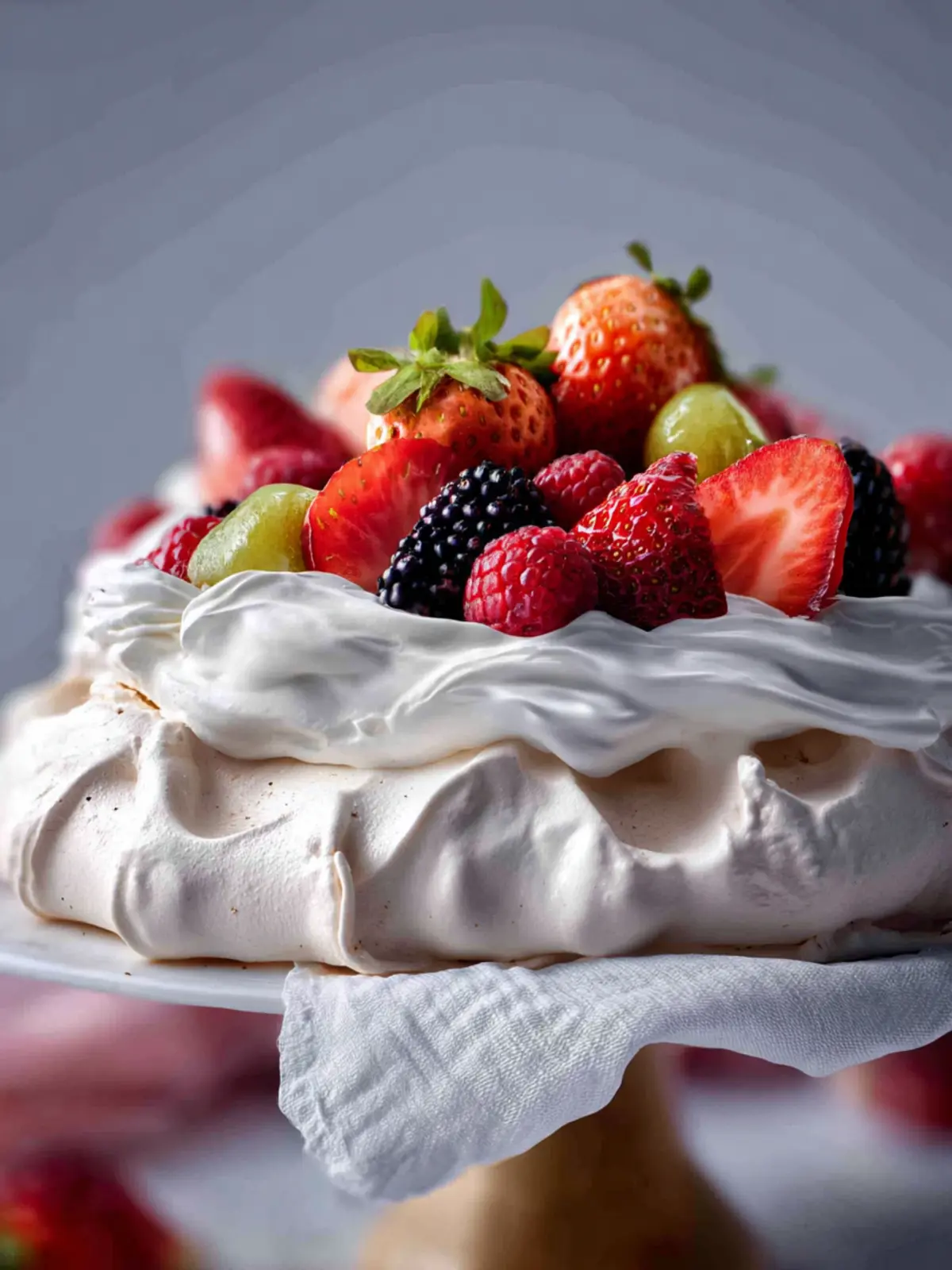
Egg Whites: The heart and soul of any pavlova are the egg whites. They whip into a gorgeous, airy foam that forms the delicate meringue base we all adore. For best results, make sure they’re at room temperature before beating; this helps them achieve maximum volume and stability.
Granulated Sugar: To create that perfect sweet balance, granulated sugar is essential. Not only does it sweeten the meringue, but it also contributes to that enticing glossy surface. A little tip: pulsing the sugar in a blender can help achieve the ideal fine texture for smoother results.
Cornstarch: Think of cornstarch as your pavlova’s secret ally. Adding a hint of cornstarch to the mixture gives it stability, ensuring the meringue holds its shape while keeping the interior irresistibly soft and fluffy.
Lemon Juice or Vinegar: A dash of acidity, whether from lemon juice or vinegar, does wonders for stabilizing egg whites. It enhances the overall texture and helps the meringue rise beautifully.
Heavy Cream: Once the meringue is baked to perfection, whipped heavy cream elevates your pavlova to new heights. Soft peaks of this rich cream provide an opulent contrast to the sweetness of the meringue.
Fresh Fruit: Finally, topping your pavlova with a colorful array of fresh fruit, like strawberries and kiwis, adds vibrancy and a delightful tartness. This refreshing contrast balances the sweetness and makes your dessert visually stunning.
Why You’ll Love This Recipe
Creating a stunning pavlova is more than just an exercise in baking; it’s an adventure in flavor and texture. Picture yourself hosting friends for a dinner party, and the centerpiece of your dessert table features a perfectly crisp meringue shell cradling luscious whipped cream and fresh fruit. This showstopper not only provides a visual feast but also delights the palate, showcasing the humble ingredients that come together in an extraordinary way.
-
Delicate Texture: The magic of pavlova lies in its light and airy consistency. Imagine breaking into that crisp exterior to reveal a soft, marshmallow-like center. This dessert is a textural dream, making every bite a delightful experience.
-
Versatile Toppings: One of the best things about pavlova is how customizable it is. Whether you prefer the bright tartness of berries, the tropical taste of passionfruit, or a drizzle of rich chocolate, you can adapt the topping to suit any season or occasion.
-
Celebratory and Sophisticated: Elevate any gathering with this elegant dessert. Its sophisticated appearance and delicious flavors are guaranteed to impress your guests, making it a surefire hit at birthdays, holidays, or any special occasion.
Once you dive into making this pavlova, you’ll find it’s not just a recipe, but a delightful tradition to share with those you love.
Variations on Pavlova
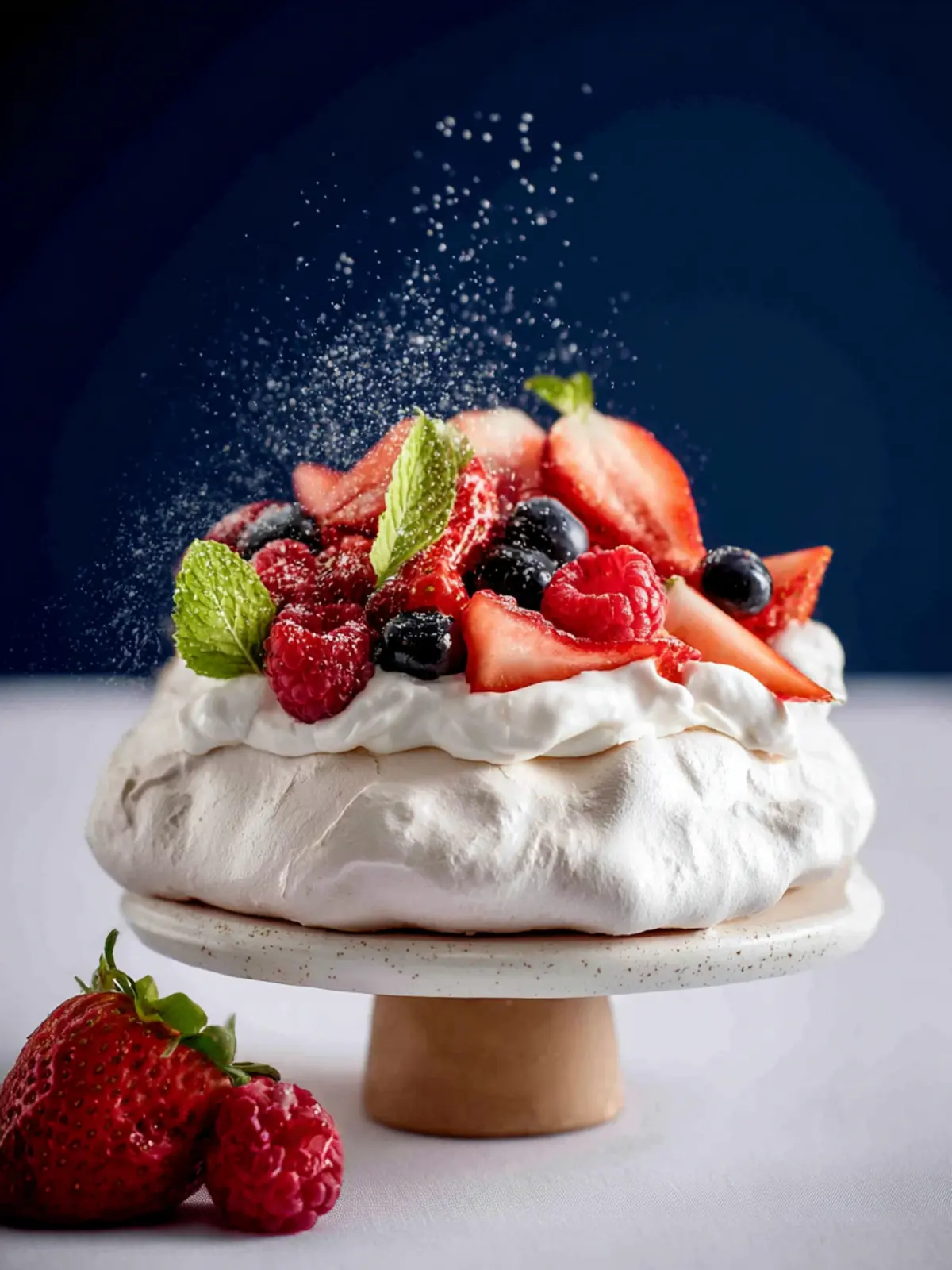
There’s something incredibly special about pavlova, the iconic dessert that pairs light meringue with delicious toppings. Its delicate crisp exterior and marshmallowy interior open the door to a variety of creative twists that can make any occasion feel extraordinary.
Fruit Medleys
One delightful way to change up your pavlova is by experimenting with different fruits. While classic berries are stunning, think outside the box—tropical fruits like mango and passion fruit add an exotic flair. If you want a burst of flavors, combine citrus segments with a sprinkle of mint for a refreshing vibe.
Flavor Infusions
Have you ever considered flavoring the meringue? Adding a hint of vanilla bean or even a splash of almond extract can elevate your pavlova to new heights. For those who enjoy a touch of sophistication, a hint of cocoa powder in the meringue makes for a visually striking dessert with an unexpected taste profile.
Seasonal Themes
Adapting your pavlova to the seasons can be a delightful challenge. In spring, a pastel vibe with lemon curd and fresh strawberries is perfect. In autumn, try roasted figs with a drizzle of honey and a sprinkle of cinnamon for a warm, cozy twist.
Nut Toppings
For added texture, consider adding chopped nuts like pistachios or hazelnuts. Not only do they provide a delightful crunch, but they also create a beautiful contrast against the soft meringue and luscious toppings.
Ultimately, the pavlova is a versatile canvas waiting for your personal touch. Don’t hesitate to mix, match, and really make it your own.
Cooking Tips and Notes for Pavlova
Creating the perfect pavlova is like orchestrating a symphony of textures and flavors, where each element plays a vital role. Here are some tips to help you reach dessert nirvana!
Mastering the Meringue
- Egg Whites: Ensure your egg whites are at room temperature before whipping; this helps them reach maximum volume. Use a glass or metal bowl that is free from grease for the best results.
- Gradual Sugar Addition: Add sugar little by little while beating your egg whites to maintain their stability and create that coveted crisp exterior.
Baking and Assembly
- Cooling: After baking your pavlova, let it cool inside the oven with the door slightly ajar. This gradual cooling prevents cracks.
- Serving: For the freshest taste, assemble the pavlova just before serving. Layer it with whipped cream and toppings of your choice—fruits like kiwis, strawberries, and passion fruit work exceptionally well!
Fun Flavor Twists
- Zest It Up: Adding a hint of citrus zest to your whipped cream or meringue can elevate the flavor. Lemon or lime zest brings a zing that complements the sweetness.
- Experiment with Toppings: Feel free to play with seasonal fruits and even a drizzle of chocolate or passion fruit puree to make your pavlova even more delightful.
With these tips, you’re on your way to creating an impressive pavlova that not only tastes incredible but also looks stunning!
Serving Suggestions for Pavlova
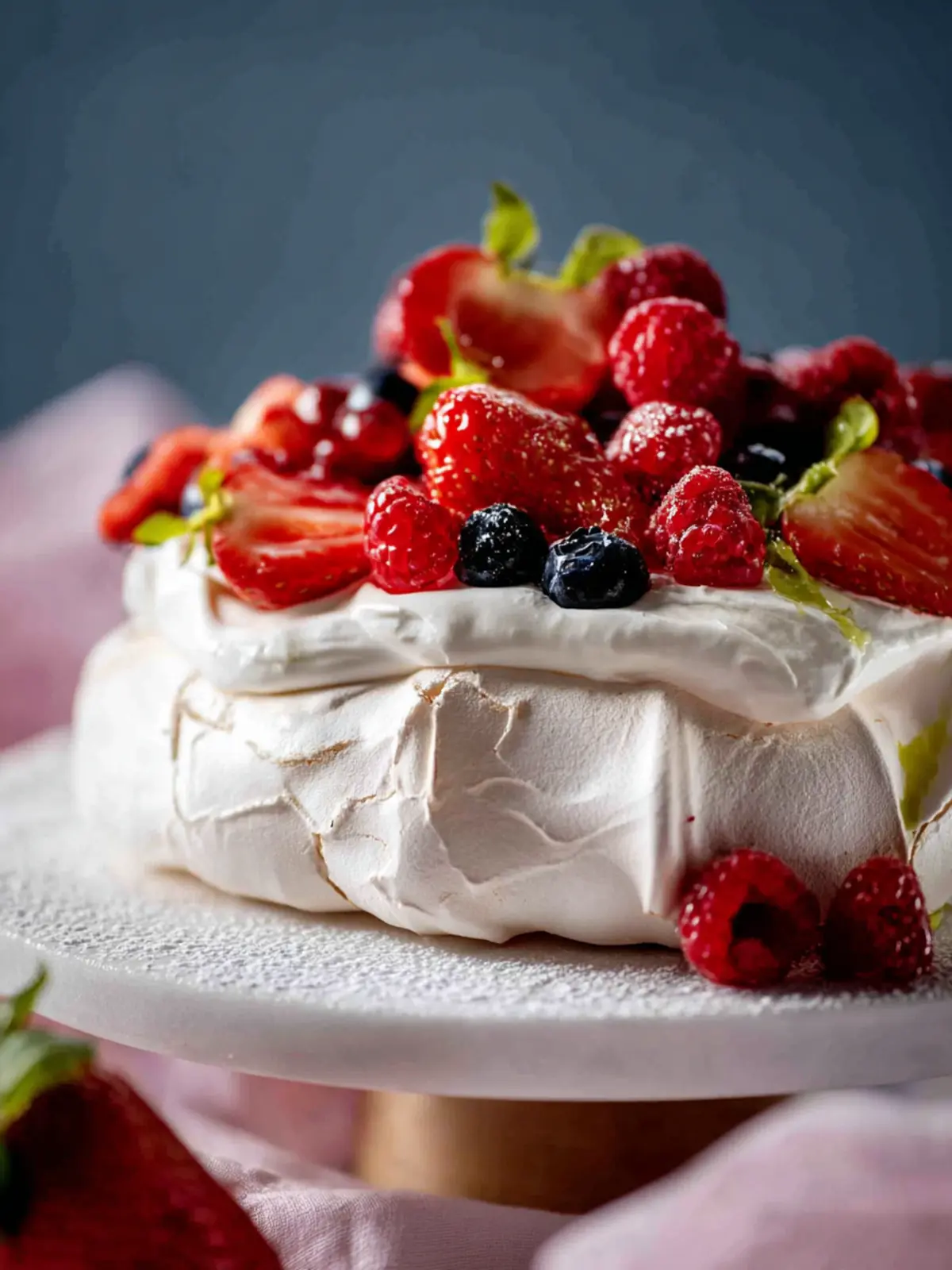
Creating the perfect pavlova is only half the journey; how you serve it transforms it into a delightful experience. Imagine your guests gathering around the table, eyes lighting up as they see a beautifully presented pavlova. Here are some serving suggestions that take this dessert to another level.
-
Fresh Fruits: Top your pavlova with an assortment of fresh fruits. Strawberries, kiwis, and passion fruit not only add color but also a delightful tartness that perfectly balances the sweetness of the meringue. Think about incorporating seasonal fruits for a refreshing twist.
-
Whipped Cream: A dollop of softly whipped cream not only enhances the richness but also complements the pavlova’s airy texture. For an added flavor kick, consider folding in a touch of vanilla or citrus zest into the cream.
-
Chocolate Drizzle: If you’re feeling indulgent, drizzling some melted chocolate over the pavlova can make it extra special. The contrast between the sweetness of the pavlova and the bitterness of dark chocolate is simply divine.
-
Serve it with a Side: Pair it with a light dessert wine or a cup of herbal tea. This balance not only elevates the meal but gives a refreshing end to your gathering.
These simple yet sophisticated touches will help your pavlova shine, making it a memorable centerpiece for any occasion.
Time Breakdown for Pavlova
Creating a perfect pavlova is not only about the ingredients but also about timing. A beautifully crafted meringue requires patience and precision, and understanding the time components involved can help you nail it.
Preparation Time
Getting ready for your pavlova takes approximately 15 minutes. This includes gathering your ingredients and whipping the egg whites into that magnificent, glossy meringue.
Baking Time
Baking your pavlova is where the magic happens. It typically takes about 1 hour. You want to ensure it’s dried out properly while achieving that delicate outer shell.
Cooling Time
After baking, letting your pavlova cool is crucial—plan for at least 1 hour. This step is essential for it to maintain its structure and prevent cracking.
Total Time
In total, you’re looking at around 2 hours and 15 minutes to create this show-stopping dessert. With just a bit of attention to detail, you’ll surprise your guests with a stunning pavlova!
Nutritional Facts for Pavlova
Pavlova, a delectable dessert that captures the essence of celebration, is not just a treat for the eyes but also comes with its fair share of nutritional benefits. Understanding the nutritional breakdown can help you appreciate this light, airy delight even more.
Calories
A single serving of pavlova contains approximately 120-150 calories. This makes it a lighter option compared to many other desserts, allowing you to indulge without the guilt.
Carbohydrates
Pavlova primarily consists of carbohydrates, with around 30 grams per serving. Most of these come from sugar, lending that sweet flavor and delightful mouthfeel.
Protein
Each serving of pavlova offers about 2-3 grams of protein, thanks to the egg whites. This contributes to its airy structure while providing a small boost to your daily protein intake.
Enjoy savoring every bite, knowing you’re indulging in a relatively balanced dessert!
FAQs About Pavlova
When it comes to creating the perfect pavlova, questions are bound to arise! This delightful meringue-based dessert, topped typically with whipped cream and fresh fruit, can be a little tricky to navigate. Let’s dive into some common FAQs to help you make your pavlova a standout treat.
What is the best way to store pavlova?
To maintain its enchanting texture, storing pavlova requires a bit of care. It’s best kept in an airtight container at room temperature, away from humidity. Avoid refrigerating it, as this can make the meringue soggy. If you have any leftovers, try to keep the toppings separate until you’re ready to indulge again—this helps preserve its crunchy exterior.
Can I make pavlova ahead of time?
Absolutely! One of the great things about pavlova is its make-ahead potential. You can prepare the meringue a day in advance and store it in an airtight container. Just remember to add the whipped cream and fresh fruit toppings shortly before serving to keep everything fresh and beautiful.
Why does my pavlova crack?
Cracking is a common concern when making pavlova. Several factors can contribute to this. The most likely culprits are:
- Overmixing the meringue: Gentle folding is key when incorporating ingredients.
- High oven temperature: A slow bake at a lower temperature helps create that delicate outer shell while ensuring a soft center.
- Humidity: Meringue does not fare well in damp environments. Try to bake on a dry day for the best results.
By keeping these tips in mind, you’re well on your way to mastering your next pavlova!
Conclusion on Pavlova
Creating a delicate pavlova can be a delightful experience that satisfies both your sweet tooth and your desire for elegant presentations. With its crisp exterior and soft, marshmallow-like center, this dessert is perfect for any occasion. Remember, the key to a successful pavlova lies in the quality of your ingredients: fresh eggs, fine sugar, and the right toppings. Don’t hesitate to experiment with different fruits or sauces to make it your own. Sharing a slice of this delightful treat with friends and family is sure to create lasting memories. Enjoy your sweet journey with pavlova!
Print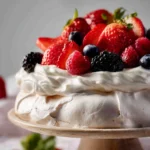
Pavlova
- Total Time: 1 hour 45 minutes
- Yield: 8 servings 1x
- Diet: Gluten Free
Description
A delicious pavlova topped with fresh fruit and sweetened whipped cream.
Ingredients
Scale
- 4 egg whites (room temperature)
- 1 cup granulated sugar
- 2 teaspoons cornstarch
- 1 teaspoon lemon juice or vinegar
- 1 teaspoon pure vanilla extract
- 1 1/2 cups heavy cream
- 2 Tablespoons powdered sugar
- 1 teaspoon pure vanilla extract
- Fresh fruit (such as kiwis, strawberries, and blackberries)
Instructions
- Preheat oven to 350°F. Pulse sugar 12-15 times in a food processor so it is more fine like caster sugar. Line a baking sheet with a piece of parchment paper and set aside.
- In a large bowl of a stand mixer fitted with a whisk attachment, beat the egg whites until foamy and soft peaks begin to form.
- With the mixer on medium-low speed (setting 3 on a 10-speed mixer), gradually add the sugar, 1 tablespoon at a time, waiting 20-30 seconds between each addition to allow the sugar to better dissolve in the egg whites. Be sure to stop the mixer and scrape the bowl once or twice during this process.
- Once all of the sugar has been added, increase the mixer speed slightly (setting 4 on a 10-speed mixer) and let it whisk the egg whites and sugar until the sugar is completely dissolved and the meringue is glossy and thick, with stiff peaks. This may take about 15 minutes at this speed, but don’t rush it using a higher speed which is more likely to break the egg whites.
- While the egg whites and sugar are mixing, combine the cornstarch, lemon juice or vinegar, and vanilla in a small bowl to create a slurry. When the meringue is glossy and thick and you feel very few grains of sugar when rubbing a bit of it between your fingers, increase the speed slightly and add in the cornstarch slurry. Mix for 30 seconds, scraping the side of the bowl to be sure it is evenly combined.
- Pile the meringue into the middle of the parchment paper and use spatula or the back of a spoon to shape it into a mound roughly 8-inches in diameter. Use the spatula to gently push some of the meringue from the middle of the mound toward to edges to build them up so the pavlova is flat instead of rounded on top.
- Place in the preheated oven and immediately decrease the heat to 225°F.
- Bake for 1 hour 15 minutes. Turn off the oven with the pavlova inside and allow it to cool slowly for 2-3 hours. It will be crisp on the outside and soft and fluffy on the inside.
- Just before serving, top the pavlova with a generous amount of sweetened whipped cream and your favorite fresh fruit, chocolate, lemon curd, or fruit sauce.
Notes
- Be patient with the mixing process to achieve a stable meringue.
- Allow the pavlova to cool in the oven for the best texture.
- Prep Time: 30 minutes
- Cook Time: 1 hour 15 minutes
- Category: Dessert
- Method: Baking
- Cuisine: Australian
Nutrition
- Serving Size: 1 slice
- Calories: 150
- Sugar: 20g
- Sodium: 50mg
- Fat: 8g
- Saturated Fat: 5g
- Unsaturated Fat: 2.5g
- Trans Fat: 0g
- Carbohydrates: 20g
- Fiber: 0g
- Protein: 3g
- Cholesterol: 25mg